
1. Why Defoamers Matter in Papermaking
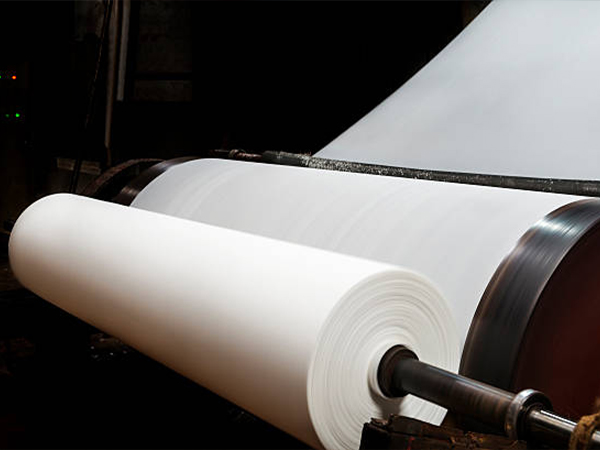
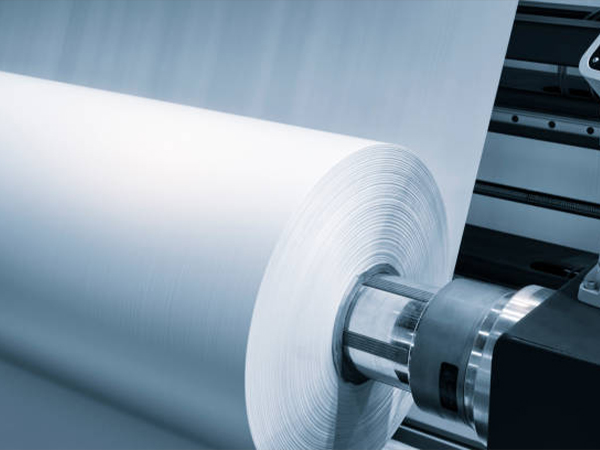
As paper machines run faster and more wet-end additives are introduced, foam control has become increasingly critical in the papermaking process. Foam can appear throughout various stages—from stock preparation, pulping, bleaching, and sizing to coating and wastewater treatment—interfering with production and compromising paper quality. In severe cases, excessive foam can even halt production altogether.
To combat foam-related issues, defoamers are widely used across the paper industry. The key lies in selecting the right type of defoamer—or a compatible combination—that ensures effective foam control without compromising product quality or performance.
2. Main Types of Defoamers Used in Papermaking
Defoamers in the paper industry are commonly categorized based on their active ingredients:
| 타입 | 조성 |
|---|---|
| 실리콘 기반 | Silicone oil (or silicone polyether) + silica + emulsifiers |
| 지방 알코올 기반 | High-carbon alcohols + emulsifiers |
| Polyether/Polyester-Based | Polyether compounds + diluents/emulsifiers |
| 미네랄 오일 기반 | Mineral oil + hydrophobic particles + emulsifiers |
| Compound Formulations | Combinations of mineral oil + polyether, or silicone + mineral oil |
3. Application of Defoamers in Papermaking Stages
Pulping Stage
Silicone-based defoamers are commonly used here due to their strong defoaming performance, long-lasting effect, good dispersibility, and stability under heat and chemical exposure. They are typically added at multiple points—such as the washer, black liquor tank, and cleaners—using metering pumps.
- 복용량: 0.2–0.8 kg/ton for chemical pulp; lower for mechanical pulp
- Watchouts: Poor emulsification can lead to silicone aggregation, causing paper defects like poor sizing.
Papermaking Stage (Wet End)
Due to silicone oil’s adverse effects on sheet formation, fatty alcohol-based and polyether-based defoamers are preferred. These are often used separately or in combination at different dosing points.
- 지방 알코올 소포제: Fast defoaming, good compatibility, minimal residue, and environmentally friendly. Effective across various paper grades and processes.
- 폴리에테르 소포제: Strong in suppressing foam and releasing entrained air; slower to defoam initially but excellent for persistent foam.
- 온도 감도: Both types are affected by white water temperature; high-temp variants are essential for modern high-speed paper machines (≥52°C).
- 일반적인 복용량:
- Polyether: 80–120 g/ton
- Fatty Alcohol: 250–400 g/ton
- 신청 포인트: Wire pit, white water tank, headbox, and chest
Coating Stage
During the preparation of coating formulations, foam arises from the mixing of binders, pigments, and wetting agents. Foam can negatively impact coating uniformity and production efficiency.
- Common Defoamers: Mineral oil-based and polyether emulsions
- 복용량: 0.1%–0.5%, depending on system complexity and foam level
- 주요 고려 사항: Defoamers must balance foam control and compatibility with coating systems.
폐수 처리
Papermaking generates large volumes of effluent, rich in fibers, fillers, organic matter, and surfactants, often producing persistent foam in treatment systems.
- Recommended Defoamers: Silicone-based or polyether emulsions
- 일반적인 복용량: ≤10ppm
Why Choosing the Right Defoamer Matters
Matching the defoamer to the specific foaming system is essential for efficiency and cost-effectiveness. Considerations like temperature, chemical additives, pH, and equipment layout all impact defoamer selection and performance.
🔗 Learn More About Our Defoamer Products
우리의 전체 제품군을 살펴보세요 실리콘 기반, 폴리에테르 기반및 지방 알코올 기반 defoamers designed specifically for papermaking.
📩 Need help choosing the right defoamer for your system? Contact us for tailored recommendations.