

You rely on paper packaging to protect food and greasy products from oil and grease. Oil-resistant coatings help you maintain product quality and extend the lifespan of packaging. Over the past five years, demand for PFAS-free and sustainable solutions has surged, especially in North America and Asia Pacific, as regulations and consumer awareness drive innovation. Companies now develop bio-based coatings, such as starch and seaweed-derived materials, to meet your need for effective barriers without harmful chemicals.
주요 요점
- 내유성 코팅 protect paper packaging from oil and grease, keeping food fresh and extending shelf life.
- Coated paper offers much better 그리스 저항성 than uncoated paper by forming a barrier that blocks oil penetration.
- Bio-based coatings provide eco-friendly, biodegradable options that support recycling and reduce harmful chemicals.
- Different application methods like knife coating and hot melt coating help apply coatings effectively for various packaging needs.
- Choosing PFAS-free and sustainable coatings ensures safety, regulatory compliance, and supports environmental goals.
Challenges in Paper Packaging
오일 및 그리스 침투
You face significant challenges when using paper packaging for food products, especially those high in 오일과 그리스. Oils and liquids can quickly seep through the paper fibers, causing structural weakening and visible stains. These issues not only affect the appearance of your packaging but also compromise its ability to protect food. When packaging folds or creases, weak spots often develop, making it easier for oil and grease to penetrate. This leads to faster degradation and can shorten the shelf life of your products.
The Kit test measures how well your packaging resists oil and grease. A higher Kit rating means better protection against oil penetration, which helps maintain the integrity of your packaging and keeps food fresh longer. Innovations in oil-resistant coatings, such as water-based and bio-based solutions, now offer improved barriers against moisture and oil. These advancements help you prevent food spoilage and reduce waste by keeping products safe from external contaminants.
Tip Choosing packaging with high oil resistance not only preserves food quality but also extends shelf life, reducing the risk of spoilage and waste.
Limitations of Uncoated Paper
Uncoated paper struggles to protect against oil and grease migration. Its porous structure allows oils to pass through easily, resulting in low grease resistance and poor durability. You may notice that uncoated paper quickly loses its shape and strength when exposed to greasy foods or moisture. This can lead to crumpling, tearing, and product contamination.
| 용지 유형 | Grease Resistance (키트 번호) | 설명 |
|---|---|---|
|
비 코팅지 |
3 |
High porosity allows oil and grease migration |
|
코팅 용지 |
5 ~ 11 |
Coatings fill pores, forming a physical barrier; resistance increases with more layers |
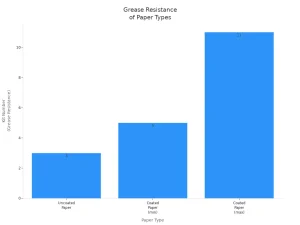
You can see that coated paper offers much higher grease resistance. Natural polymer coatings, such as chitosan or agar–agar blends, fill the pores and create a continuous film, improving barrier properties. By increasing the number of coating layers, you further enhance the grease barrier effect. Switching to coated paper helps you maintain packaging integrity, protect food quality, and meet industry standards for oil resistance.
Oil-Resistant Coatings Overview
그들이 일하는 방식
You need packaging that keeps oil and grease from reaching your products. Paper, by nature, has a porous and hydrophilic structure. This makes it easy for oil and grease to seep through and compromise your packaging. 내유성 코팅 solve this problem by forming a dense film on the paper surface. This film acts as a physical barrier, blocking oil and grease from penetrating the fibers.
- These coatings often combine hydrophilic and hydrophobic properties. This dual approach gives you protection against both oil and water.
- For example, a waterborne coating made from chitosan-graft-castor oil copolymer uses chitosan to boost oil resistance and castor oil to increase water resistance.
- Beeswax, when added to coatings, enhances hydrophobicity and improves the water barrier.
- Some coatings use natural substances like lignin or alkyl ketene dimer (AKD). Lignin lowers the surface energy, making it harder for oil to stick. AKD adds long-chain alkyl groups that repel water.
- Other advanced coatings use micro-nano bamboo powder, which has a large surface area and retains lignin for better oil resistance.
- You can also find coatings that chemically modify cellulose to repel oil, though these methods are more complex.
참고 : Bio-based coatings offer an eco-friendly solution, but they may be sensitive to humidity and can present processing challenges due to thermal instability.
By choosing the right oil-resistant coatings, you ensure your packaging stands up to greasy foods and maintains its strength and appearance.
신청 방법
You have several options for applying oil-resistant coatings to paper packaging. Each method offers unique advantages, depending on your production needs and the type of coating you select.
| 신청 방법 | Effectiveness / Suitability | 장점 |
|---|---|---|
|
나이프 코팅 |
Best for continuous flat sheets; precise thickness control |
Allows you to control coating thickness; adaptable for different setups; works well with polymer solutions |
|
딥 코팅 |
Mainly for lab research or low-standard uses |
Simple and low cost; easy to adjust thickness; no advanced equipment needed |
|
스프레이 코팅 |
Good for thin layers and irregular shapes |
Can coat uneven surfaces; multiple spray techniques available; less suitable for wide substrates due to thickness control issues |
In industrial settings, you often see metering size press, blade coater, and curtain coater technologies. These methods provide good machine runnability and consistent results at scale. Rod coating works well in labs for uniform coatings but may not scale as efficiently.
VOUS pouvez의 aussi 사용 co-extrusion and hot melt coating (HMC) for advanced applications:
- 공 압출 lets you create multilayer packaging with strong barrier properties. You can extrude several materials at once, making it easy to scale up production.
- Hot melt coatings bond strongly to paper, avoid hazardous solvents, and speed up the process. They work well for continuous roll-to-roll applications and support environmental goals.
Tip While oil-resistant coatings can cost more than traditional materials, they add value through better durability, sustainability, and compliance with food safety regulations.
By understanding these application methods, you can choose the best process for your packaging line and ensure reliable oil and grease resistance.
코팅 기술
Synthetic and Bio-Based Options
You face a critical choice when selecting 내유성 코팅 for paper packaging. Synthetic coatings, such as polyethylene (PE), polypropylene (PP), EVOH, and PVOH, deliver outstanding barrier properties against water vapor, oxygen, and grease. These materials help you protect food products from spoilage and contamination. However, synthetic polymers originate from fossil fuels and do not biodegrade. They contribute to microplastic pollution and complicate recycling because polymer layers hinder the pulping process.
Bio-based coatings offer a sustainable alternative. You can choose materials like chitosan, starch, cellulose, and alginate, which come from renewable sources. These coatings are biodegradable and compostable under suitable conditions. They support recycling and often possess intrinsic antimicrobial properties, such as those found in chitosan. While bio-based coatings provide moderate to good barrier properties, you may need to enhance their performance with additives or nanocomposites. Ongoing research focuses on improving their durability and resistance to humidity.
| 매개 변수 | Synthetic Coatings | 바이오 기반 코팅 |
|---|---|---|
|
유래 |
Fossil fuel-based polymers (e.g., PE, PP, EVOH) |
Renewable sources (e.g., chitosan, starch, cellulose) |
|
생분해 성 |
비생분해성 |
Biodegradable and compostable under suitable conditions |
|
Barrier to Water Vapor |
우수한 |
Moderate; can be improved with additives like waxes |
|
Barrier to Oxygen & Gases |
Excellent (especially EVOH) |
Good (notably chitosan, cellulose nanocrystals) |
|
Grease/Oil Resistance |
High (often enhanced with fluorochemicals) |
Moderate to high (e.g., chitosan, alginate blends) |
|
항균 속성 |
None unless additives used |
Intrinsic in chitosan; can be enhanced with essential oils |
|
Recyclability with Paper |
Difficult due to polymer layers hindering pulping |
Generally compatible with recycling processes |
|
독성 |
May release microplastics or harmful additives |
Non-toxic, food-safe, sometimes edible |
|
환경 적 영향 |
High carbon footprint, long-term pollution |
Low carbon footprint, environmentally friendly |
|
확장성 |
Well-established industrial methods |
Emerging methods; improving with innovation |
|
퇴비화 가능성 |
퇴비화 불가능 |
Compostable in industrial or home compost settings |
|
비용 |
Economical, mature supply chains |
Higher but decreasing with scale and innovation |
|
사용 |
Widely used in liquid cartons, food wrappers |
Suitable for dry foods, fresh produce, bakery, active packaging |
당신은 그것을 본다 synthetic coatings outperform bio-based coatings in barrier and mechanical properties. However, bio-based coatings align better with sustainability goals and consumer demand. You can expect further improvements as technology advances.
Tip If you prioritize recyclability and compostability, bio-based coatings offer a clear advantage over synthetic options.
PFAS-Free and Sustainable Solutions
You must consider regulatory compliance and food safety when choosing oil-resistant coatings. The FDA has phased out PFAS-containing grease-proofing substances for food packaging in the U.S. market. Manufacturers now offer PFAS-free alternatives that meet strict safety standards. 아마존 케미컬, for example, provides FDA-certified PFAS-free greaseproof agents that deliver effective grease and water resistance while remaining biodegradable and environmentally friendly.
| 코팅 기술 | FDA 승인 상태 | 주요 기능 및 참고 사항 |
|---|---|---|
|
에멀젼 폴리머 |
Compliant with FDA 21 CFR 176.170 |
Provide moisture and grease barriers suitable for food packaging. |
|
Water-Based Biowax and Polymer Dispersions |
FDA/BfR approved |
PFAS-free, heat-sealable, recyclable, and suitable for sustainable food packaging solutions. |
|
Next-Generation Dispersions |
Emerging FDA-compliant alternatives |
Compostable coatings compatible with industrial recycling, offering alternatives to traditional barriers. |
|
Natural Materials (nanocellulose, shellac, starch-based) |
개발중인 |
Show promising grease and water resistance in lab trials, supporting circular economy principles. |
당신은 혜택 PFAS-free coatings because they reduce harmful chemical leaching into food and the environment. These coatings support safer manufacturing processes and improve worker safety. Companies like Impermea Materials and SNP, Inc. offer PFAS-free, plastic-free coatings that match or exceed the performance of traditional PFAS-based products. Their solutions are repulpable, recyclable, and designed to meet evolving regulations.
Recent innovations in non-fluorinated and lignin-based coatings provide you with new sustainable options. Silanization-modified lignin nanoparticles (LNPs) with OTS grafting create superhydrophobic surfaces, enhancing oil and water resistance. Lignin-containing cellulose nanofibrils (LCNF) coatings deliver excellent grease resistance and improved mechanical strength. These technologies use renewable, non-toxic resources and support biodegradability and recyclability.
You may also encounter SBR latex coatings. SBR latex offers moderate oil resistance and excels in adhesion, flexibility, and water resistance. Although SBR originates from petrochemical sources, industries are advancing recycling techniques and developing bio-based monomers to reduce its environmental impact. Low-VOC and odor-free formulations help you meet environmental regulations and sustainability goals.
참고 : Regulatory compliance remains a top priority. You must ensure that all ingredients in oil-resistant coatings appear on approved materials lists and pass extraction and migration testing. Key regulations include FDA 21 CFR 176.170, 176.180, and 175.105. Global oversight from agencies such as EFSA, ANVISA, and others adds complexity. You need close collaboration among material engineers, regulatory teams, and customers to tailor safe and effective formulations.
- PFAS-free coatings help you maintain regulatory compliance and build consumer trust.
- These coatings support circular economy goals by enabling effective recycling and composting of paper packaging.
- Novel bio-based coatings, such as cutin-based solutions from tomato peels, match or exceed synthetic coatings in barrier performance while reducing environmental impact.
You can choose from a growing portfolio of oil-resistant coatings that balance performance, safety, and sustainability. By staying informed about regulatory changes and technological advances, you ensure your packaging meets market demands and environmental standards.
응용분야 및 성능
Food Packaging Examples
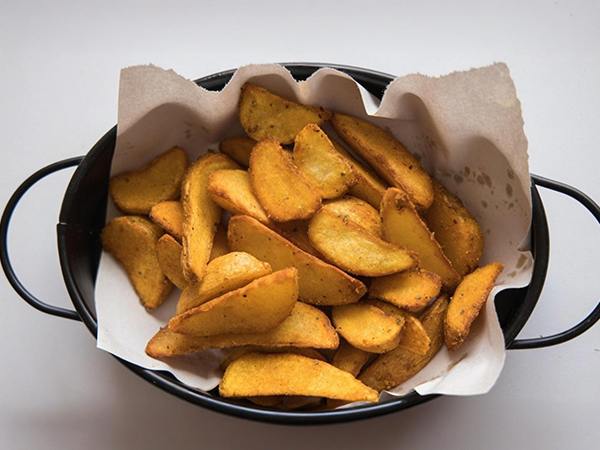
You see oil-resistant coatings making a real difference in food packaging across many product categories. Fast food chains use greaseproof paper for burgers, fries, and pastries 에 prevent oil leakage and sogginess. Bakeries rely on coated kraft paper to keep bread and baked goods fresh and visually appealing. Sandwiches and burgers often come wrapped in wax paper, which maintains moisture and grease resistance. Food-grade coated paper works well for a variety of foods, offering both oil and water resistance.
- Palm fruit oil coatings create transparent, water-resistant films that improve packaging durability.
- Sunflower oil coatings reduce oxygen and water vapor transfer, helping you extend food shelf life.
- Essential oils from cinnamon, allspice, and clove in packaging films have preserved apples for up to a year, showing strong antimicrobial benefits.
- Chitosan films with citric acid and glycerol additives maintain the quality and appearance of green chili by improving moisture barriers.
- Cellulose-based adhesives with allyl isothiocyanate have doubled the shelf life of cheese, protecting it from common pathogens.
Oil-resistant packaging not only keeps food fresh but also supports brand image by preventing unsightly stains and leaks.
장벽 효과
You measure the success of 내유성 코팅 using several key performance indicators. The 키트 테스트 rates oil and grease resistance on a scale from 0 to 12, with higher numbers showing better protection. For example, a coating with a Kit rating of 12 provides excellent oil resistance, ideal for food packaging. Contact angle measurements show how well a surface repels oil; larger angles mean stronger barriers. The Cobb Test measures water absorption, where lower values indicate better water resistance.
| KPI | 기술설명 | Ideal Value / Notes |
|---|---|---|
|
키트 테스트 |
Oil and grease penetration resistance |
≥ 10 for food packaging |
|
접촉 각도 |
오일 반발성 |
Larger angle = better barrier |
|
코브 테스트 |
물 흡수 |
< 1 g/m² is excellent |
|
MVTR |
수증기 투과율 |
< 10 g/100 in²/day (high performance) |
You benefit from these coatings because they prevent oil stains, preserve food quality, and extend shelf life. The shift from polyethylene and paraffin wax to sustainable coatings reduces plastic waste and supports recycling. New bio-based coatings, such as chitosan and zein, match or exceed traditional barriers while aligning with environmental goals. As a result, you meet both performance and sustainability standards in modern food packaging.
You gain superior product safety and sustainability by choosing advanced coatings that protect packaging from oil and grease. These solutions keep food fresh, comply with FDA standards, and support recycling and composting. When selecting a coating, compare options for cost, performance, and environmental impact:
| 코팅 유형 | 주요 이점 | 고려 |
|---|---|---|
|
내열성 우수 |
||
|
High barrier, recyclable |
친환경 공정 |
|
|
폴리사카라이드 기반 |
Strong, renewable |
May need hydrophobic blend |
- Industry leaders now focus on smart, compostable, and PFAS-free barriers.
- You can expect rapid innovation in bio-based and recyclable packaging.
자주 묻는 질문
What makes oil-resistant coatings safe for food packaging?
You benefit from coatings that meet FDA standards for food contact. Manufacturers use non-toxic, PFAS-free ingredients. These coatings pass migration and extraction tests, ensuring your food stays safe and uncontaminated.
내유성 코팅이 된 종이 포장재를 재활용할 수 있나요?
대부분 재활용할 수 있습니다 bio-based and PFAS-free coated papers. These coatings break down during pulping. Synthetic coatings, such as polyethylene, may hinder recycling and require special processing.
How do you test oil resistance in coated paper?
You use the Kit Test to measure oil and grease penetration. Higher Kit numbers show stronger resistance. You may also check contact angle and Cobb Test values for water and oil repellency.
Are oil-resistant coatings compostable?
You find many bio-based coatings compostable in industrial or home settings. These coatings degrade naturally. Synthetic coatings, such as PE, do not compost and may persist in the environment.